
Emergency Maintenance 101: What Counts as an Emergency?
Key Takeaways
- Emergency maintenance involves immediate safety hazards, serious threats to the property, or interruptions to essential living conditions.
- Gas leaks, major flooding, dangerous electrical problems, sewage backups, and unsecured entrances often require urgent action.
- Clear reporting procedures, reliable contractors, and preventive maintenance help landlords respond efficiently and control avoidable costs.
Not every rental repair requires an emergency contractor. A dripping faucet can wait for a scheduled visit, while a burst pipe can quickly cause extensive property damage.
At Limehouse Property Management, we understand the importance of responding to maintenance issues appropriately. Knowing what counts as emergency maintenance helps landlords prioritize urgent repairs, communicate effectively with tenants, and protect their rental investments.
LEARN MORE ABOUT LIMEHOUSE PROPERTY MANAGEMENT
What Qualifies as Emergency Maintenance?
Emergency maintenance addresses immediate danger, substantial damage risks, or unsafe living conditions, such as flooding, gas leaks, sewage backups, or loss of heat during freezing weather.
Context matters: a small leak near exposed wiring may be more urgent than a contained leak. Assess each report promptly.
An issue can also become more urgent as conditions change. A contained leak that reaches electrical equipment, or a cooling failure during increasingly dangerous heat, may need to be escalated. Reassess unresolved reports rather than relying solely on the initial description of the problem.
1. Major Plumbing Leaks and Flooding
Uncontrolled water can damage a building quickly. Emergencies include:
- Burst supply pipes or actively flooding fixtures.
- Major roof leaks during storms.
- Water heaters leaking substantial amounts of water.
- Broken plumbing lines affecting essential water service.

Tenants may shut off water if they can do so safely. Otherwise, they should avoid risky actions. Arrange professional help and document the damage and repairs.
A slow drip is typically routine unless it presents an immediate hazard.
2. Gas Leaks and Carbon Monoxide
Suspected gas leaks or carbon monoxide exposure demand immediate action. The National Fire Protection Association’s gas safety guidelines explain how to recognize potential leaks and respond safely. Warning signs include gas odors, hissing equipment, alarms, or unexplained symptoms.
Instruct occupants to evacuate and call emergency services or the gas utility from a safe location. They should not operate switches, use flames, or attempt to find the source of a suspected gas leak. If a carbon monoxide alarm sounds, leave the building and contact emergency services; do not reenter until authorities say it is safe.
Have qualified professionals assess affected equipment before service resumes.
3. Electrical Hazards and Power Outages
Sparking outlets, exposed wiring, burning smells, or overheating panels need urgent professional attention.
A building-specific outage may require an electrician; a wider outage may require the utility. Check whether essential systems are affected, and keep occupants away from damaged equipment.
4. Heating and Cooling Failures
Loss of heat in freezing weather can create dangerous conditions and may constitute an emergency. Cooling failures can also require urgent attention during extreme heat, depending on indoor conditions and applicable requirements.
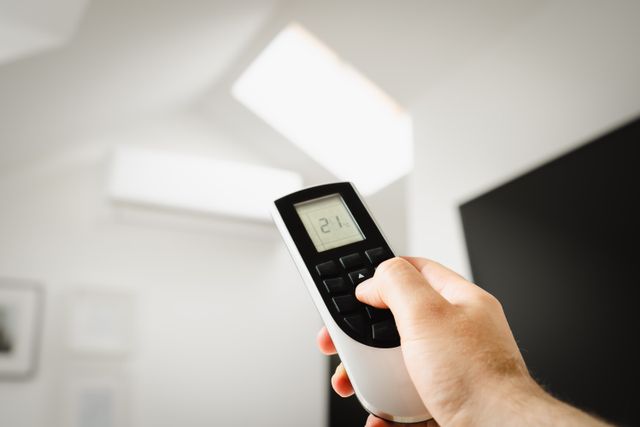
Evaluate outdoor and indoor temperatures, safe alternatives, and any reported health or accessibility needs. Arrange qualified service and communicate repair updates.
5. Sewage Backups and Sanitation Problems
Sewage entering living areas, overflowing drains, major sewer blockages, or loss of usable toilets can create urgent sanitation concerns.
A blocked toilet may be an emergency when it is the only usable toilet. Minor clogs may be routine if other facilities remain available. Keep occupants away from contaminated water and arrange appropriate repairs.
TALK TO A PROPERTY MANAGEMENT EXPERT
6. Security and Structural Hazards
Unsecured entrances, broken exterior locks, collapsing ceilings, unsafe stairs, or storm damage may require emergency attention. Broken windows can also pose security or weather risks.
Understanding rental property safety standards can help landlords identify structural hazards, address security concerns, and maintain safer living conditions.
Contact emergency responders as needed and arrange contractors. For significant structural damage, follow the CDC’s building safety guidelines before allowing occupants to reenter.
Emergency vs. Routine Maintenance
Examples vary with the circumstances:
| Emergency Maintenance | Routine Maintenance |
| Burst pipe causing flooding | Slowly dripping faucet |
| Suspected gas leak | Loose cabinet handle |
| Sparking electrical equipment | Burned-out light bulb |
| Sewage entering living areas | Slow-draining sink |
| No heat during freezing weather | Scheduled HVAC servicing |
| Exterior door cannot be secured | Squeaking interior door |
Routine does not mean optional. Landlords should still complete nonemergency repairs within applicable requirements and before minor problems worsen.
How Quickly Should Landlords Respond?
Assess dangerous conditions immediately. For imminent threats, contact emergency responders or the utility before a maintenance contractor.

Permanent repairs may require specialist contractors or replacement equipment. Arrange safe interim measures and document actions, communications, and completed work.
Legal response requirements vary by location and situation.
Establish an Emergency Maintenance Plan
A written plan makes urgent situations easier to manage. It should address:
- Reporting: A clear emergency contact method, including after-hours instructions.
- Assessment: How safety risks are evaluated and when emergency services come first.
- Contractors: Who can be called for plumbing, electrical, heating, and restoration work.
- Authorization: Who approves expenses and what happens when the owner cannot be reached.
- Communication: How tenants receive updates and any necessary access instructions.
- Records: Where photographs, invoices, incident notes, and repair details are stored.
Give tenants these instructions at move-in and make them easy to locate later. Encouraging tenants to report repairs promptly is an essential part of an effective maintenance plan, helping landlords address developing problems before they escalate.
Who Pays for Emergency Repairs?
Landlords generally must maintain essential systems and meet applicable habitability obligations. Responsibility for particular damage or additional charges depends on the cause, the lease, and local law.
A pipe that fails through ordinary deterioration differs from one damaged by intentional misuse, but costs should not be assigned without sufficient evidence and a lawful basis. Review your landlord insurance coverage to understand which property damage expenses may be covered and what deductibles or exclusions apply.
Prevent Problems Before They Escalate
Inspections and preventive care cannot eliminate emergencies, but they can reduce avoidable failures.
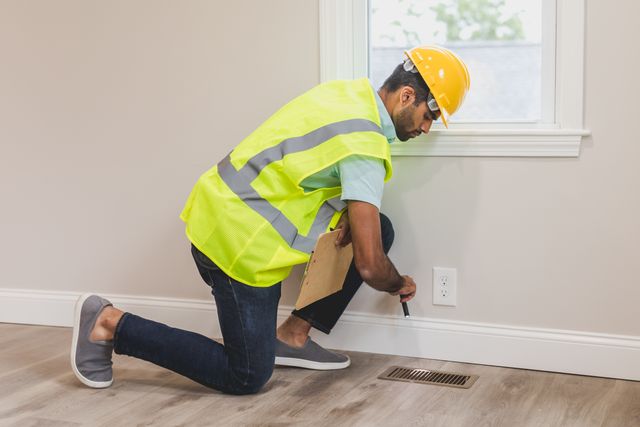
Regularly check visible plumbing leaks, roof and gutter conditions, required safety alarms, heating and cooling equipment, and reported electrical concerns. Use appropriately qualified professionals where needed.
Encourage tenants to report developing issues early. A minor leak or unusual equipment noise is easier to investigate before significant damage occurs.
How Professional Property Management Can Help
Professional property management can provide a structured way to receive maintenance reports, coordinate vendors, maintain records, and communicate with tenants. Some companies also offer after-hours emergency coordination.
Owners should confirm what the agreement includes, who approves repair expenses, and how urgent requests are escalated. These services may be especially useful when managing multiple properties or living far from a rental.
Common Emergency Maintenance Mistakes
Even experienced landlords can create unnecessary risk when emergency procedures are unclear. Watch for these avoidable problems:
- Treating a safety hazard as routine because the repair appears small.
- Failing to provide a working after-hours contact method.
- Waiting for owner approval when immediate safety action is required.
- Asking tenants or unqualified workers to attempt hazardous repairs.
- Closing a work order before confirming the underlying issue is resolved.
- Failing to document damage, contractor recommendations, and tenant updates.
Review maintenance reports periodically to identify recurring issues. Clear responsibilities and follow-up procedures can help prevent the same emergency from happening again.
Bottom Line
Knowing what counts as an emergency maintenance request helps landlords protect occupants, limit damage, and make informed repair decisions. Gas leaks, major flooding, electrical hazards, sewage backups, and unsafe entrances typically demand urgent action, while routine maintenance still requires timely attention.
Professional property management can help owners coordinate emergencies, maintain repair records, and establish consistent maintenance procedures. Compare service agreements to understand the support available.
Frequently Asked Questions
What Is Emergency Maintenance in a Rental Property?
It generally involves an immediate safety hazard, substantial risk of damage, or loss of essential living conditions. Examples include major water leaks, suspected gas leaks, dangerous electrical problems, and sewage backups.
Is a Broken Air Conditioner an Emergency?
It can be during extreme heat, depending on the indoor conditions, applicable rules, and reported health-related needs. Assess the situation rather than treating every cooling failure identically.
Is a Clogged Toilet an Emergency?
It may be when the only functioning toilet is blocked or sewage is overflowing. A minor clog with another usable toilet available may be routine, subject to local requirements.
How Fast Must a Landlord Fix an Emergency?
Landlords should assess serious hazards promptly and arrange appropriate action. Legal deadlines depend on the jurisdiction and issue; immediate safety measures may be necessary before permanent repairs are possible.
Can Property Managers Handle Emergency Repairs?
Many management companies coordinate contractors, tenant updates, and urgent requests. After-hours availability and spending authority vary, so confirm the terms of the management agreement.