
Property Management Company vs. Independent Property Manager
Key Takeaways
- Property management companies typically offer established systems and team-based support, while independent managers may provide more personalized service.
- Owners should compare management fees, communication, maintenance procedures, availability, and legal compliance practices.
- The best management arrangement depends on your portfolio size, budget, investment goals, and desired level of involvement.
Managing a rental property requires time, organization, and attention to detail. From screening tenants and collecting rent to coordinating repairs and lease renewals, landlords must balance numerous responsibilities.
At Limehouse Property Management, we understand the importance of finding the right professional support for your rental investment. For owners seeking assistance, a key decision is whether to hire a property management company or an independent property manager.
LEARN MORE ABOUT LIMEHOUSE PROPERTY MANAGEMENT
Both options can simplify rental ownership, but their resources, costs, availability, and operational structures may differ. Understanding these differences can help you make an informed decision.
What Is a Property Management Company?
A property management company is a business that oversees rental properties through an organized operational structure.
Services may include:
- Rental marketing and advertising.
- Tenant screening and leasing.
- Rent collection and financial reporting.
- Maintenance and repair coordination.
- Lease renewals.
- Property inspections.
- Tenant communication.
- Regulatory compliance support.
Larger companies may have dedicated departments for leasing, accounting, and maintenance, while smaller companies may provide similar services through a more compact team.
This structure reduces reliance on a single individual by distributing responsibilities among multiple professionals.
What Is an Independent Property Manager?
An independent property manager is a professional who manages rental properties directly, often as a self-employed individual or sole proprietor.

When choosing a business structure, independent managers must consider factors such as liability, taxation, and operational needs.
Independent managers may provide many of the same services as property management companies. Some specialize in particular geographic areas or property types and offer customized service arrangements.
However, their availability and operational capacity depend on their workload, professional network, and management systems.
Property Management Company vs. Independent Property Manager: Key Differences
| Factor | Property Management Company | Independent Property Manager |
|---|---|---|
| Service structure | Typically team-based | One primary professional |
| Communication | Dedicated contact or multiple team members | Often direct communication |
| Maintenance | May have an established vendor network | Depends on contractor relationships |
| Availability | May offer backup staffing | Depends on backup arrangements |
| Technology | May offer integrated management software | Systems vary by provider |
| Pricing | Often structured service packages | May offer customized pricing |
| Portfolio capacity | May accommodate larger portfolios | Depends on workload and resources |
1. Cost and Property Management Fees
Management fees vary based on location, property type, service agreement, and provider.
Both management options may charge:
- Monthly management fees.
- Tenant placement or leasing fees.
- Lease renewal fees.
- Maintenance coordination fees.
- Property inspection fees.
- Administrative or setup fees.
Companies may bundle services into management packages, while independent managers may offer more flexible pricing. However, lower operating expenses do not necessarily translate into lower management fees.
Evaluate the complete service agreement rather than focusing exclusively on the monthly rate. A lower fee may offer less value if essential services cost extra.
2. Tenant Screening and Leasing
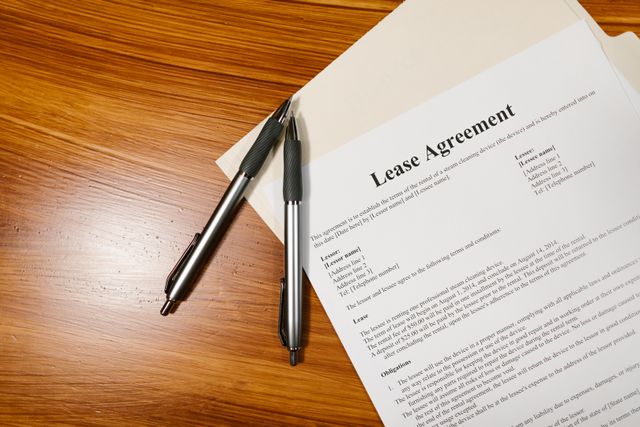
Both management options may coordinate rental applications, income verification, rental history checks, legally permitted consumer reports, lease preparation, and move-in documentation.
Property management companies often use standardized screening software and application procedures. Independent managers may use similar systems.
Regardless of the arrangement, providers should apply lawful screening criteria consistently, comply with applicable fair housing and reasonable accommodation requirements, and follow federal regulations when using consumer reports to evaluate rental applicants.
Ask how applications are evaluated, decisions are documented, and applicant information is protected.
3. Maintenance Coordination and Emergency Repairs
Plumbing leaks, malfunctioning water heaters, and electrical problems may require prompt attention from qualified professionals.
Property management companies may maintain established vendor networks and offer services such as:
- Online maintenance requests.
- After-hours emergency coordination.
- Contractor scheduling.
- Repair approval procedures.
- Maintenance documentation.
- Routine property inspections.
Independent managers may also have strong contractor relationships and provide hands-on maintenance oversight.
Before hiring either provider, confirm how emergency requests are handled, repair costs are approved, and backup coverage is arranged.
4. Communication and Personalized Service
Independent managers often serve as the primary point of contact for property-related matters.
Property management companies may assign a dedicated manager supported by employees specializing in leasing, accounting, or maintenance.
Before hiring a provider, establish clear expectations regarding:
- Your primary point of contact.
- Expected response times.
- Financial reporting frequency.
- Tenant communication procedures.
- Emergency notifications.
Effective communication depends more on established procedures and accountability than company size.
TALK TO A PROPERTY MANAGEMENT EXPERT
5. Legal Compliance and Risk Management
Rental property owners must comply with applicable federal, state, and local regulations governing matters such as:
- Fair housing and tenant screening.
- Security deposit handling.
- Property habitability.
- Property entry and notice requirements.
- Rent increases.
- Lease termination and eviction procedures.

Property management companies may have standardized compliance procedures and access to legal resources. Experienced independent managers may maintain similar arrangements.
However, hiring a property manager does not eliminate a landlord’s legal responsibilities.
Verify applicable licensing requirements, insurance coverage, and recordkeeping practices. Qualified legal counsel should handle matters requiring legal interpretation or representation.
6. Technology and Financial Reporting
Property management technology can simplify financial oversight, improve transparency, and streamline rental property recordkeeping.
Some management companies offer online owner portals featuring:
- Rent payment records.
- Monthly financial statements.
- Maintenance invoices.
- Lease documents.
- Property expense records.
- Year-end financial summaries.
Independent managers may use the same platforms or rely on separate accounting and communication systems.
Regardless of the technology used, landlords should receive accurate and timely financial information. Request a sample owner statement before signing an agreement.
7. Experience and Local Market Knowledge
A knowledgeable property manager should understand local rental demand, comparable rental rates, property conditions, and applicable regulations.
Independent managers may offer specialized knowledge of a particular geographic area, while companies may benefit from experience across a broader portfolio.
Ask prospective managers about their experience with properties similar to yours, as management requirements can vary between single-family homes and multifamily buildings.
8. Availability and Portfolio Growth
Property management companies may distribute responsibilities among employees during absences or staffing transitions. Independent managers may provide similar continuity through assistants, partner managers, or formal backup arrangements.

Owners looking to expand their portfolios should evaluate whether their provider can accommodate additional properties without compromising service quality.
Standardized reporting, centralized communication, and established maintenance procedures become increasingly valuable as a portfolio grows.
When Should You Choose a Property Management Company?
A property management company may be a suitable choice if you own or plan to acquire multiple rental properties, live far from your investment, or have limited time for daily management responsibilities.
Companies may also appeal to owners who prefer structured reporting, established management systems, and access to dedicated staff and backup coverage.
When Should You Choose an Independent Property Manager?
An independent property manager may be a good fit if you own one or a few rental properties, have straightforward management needs, or prefer a direct working relationship with customized services. However, it’s important to verify the manager’s qualifications, availability, and backup arrangements.
Bottom Line
Choosing between a property management company and an independent property manager requires more than comparing monthly fees.
Management companies may offer broader resources, established systems, and staffing support, while independent managers may provide direct communication and customized services.
The right provider should have the experience, resources, and professional standards necessary to support your investment goals. Contact a professional property management company to learn how comprehensive rental management services can help protect your investment and simplify ownership.
Frequently Asked Questions
Is It Cheaper to Hire an Independent Property Manager?
Not necessarily. Pricing depends on the provider, included services, and additional fees. Compare total management costs rather than monthly rates alone.
Can an Independent Property Manager Handle Emergency Maintenance?
Yes, provided they have reliable contractor relationships and appropriate emergency response procedures.
Can I Switch From an Independent Manager to a Property Management Company?
Yes. Review your existing agreement’s termination provisions, notice requirements, and record transfer procedures before switching.
Can I Hire a Property Manager for Specific Services Only?
Some providers offer standalone services, such as tenant placement or maintenance coordination, without requiring a full-service management agreement.
How Much Control Do Landlords Retain When Hiring a Property Manager?
This depends on the management agreement, which should outline the manager’s authority, spending limits, and owner approval requirements.