
How Much Can I Rent My House For in Virginia Beach?

Key Takeaways
- Comparable active listings and recently leased homes in your neighborhood are a stronger starting point than broad online rent estimates.
- Property condition, location, and maintenance can influence what renters are willing to pay.
- Rental rates vary across Virginia Beach neighborhoods, and seasonal demand can affect both pricing and days on market.
- Overpricing can extend vacancy, while underpricing can reduce your rental income.
- A professional rental analysis can help confirm pricing, identify rent-ready repairs, and reduce guesswork.
You bought a home in Virginia Beach intending to live in it. Then military orders arrived, a job opportunity opened elsewhere, or life simply changed. Now you have a decision to make: rent it out or sell.
If you’re leaning toward renting, one of the first questions is simple: How much can I realistically charge?
The answer matters. Set the rent too high and the property may sit vacant while you continue paying the mortgage, utilities, insurance, and other carrying costs. Set it too low and you may give up income for the length of the lease.
Limehouse Property Management regularly helps military homeowners, out-of-state investors, and accidental landlords throughout Virginia Beach and the Hampton Roads region evaluate rental pricing. Here is a practical way to estimate market rent and decide when professional guidance may be worthwhile.
LEARN MORE ABOUT LIMEHOUSE PROPERTY MANAGEMENT
Start With Comparable Rentals
Online rent estimators can provide a rough reference point, but they shouldn’t be your only source. Automated tools often rely on broad datasets and may not fully account for neighborhood differences, property condition, recent leasing activity, or current local demand.

Instead, start by reviewing comparable rentals. Look at homes in your neighborhood that are currently listed or have leased recently. Focus on properties similar to yours in:
- Property type
- Number of bedrooms and bathrooms
- Square footage
- Age and general condition
- Location and nearby amenities
Aim for at least five comparable properties when possible. Record their asking or leased rent, size, features, and time on the market. Looking at several similar homes gives you a better sense of the range renters are currently seeing.
Location matters because Virginia Beach isn’t one uniform rental market. A three-bedroom home in one neighborhood may command a different rate than a similar home several miles away. For that reason, nearby comps are generally more useful than citywide averages.
Adjust for Property Condition
Start with systems and maintenance. A home with dependable HVAC, a sound roof, functioning plumbing, and no deferred maintenance is easier to market. These features may not increase rent, but poor condition can make a property less competitive.
Next, assess paint and flooring. Clean walls, well-maintained floors, and a move-in-ready appearance can influence renters. Cosmetic improvements don’t need to be luxurious; they should make the home feel clean, cared for, and ready for occupancy.
Kitchens and bathrooms also matter. A full renovation isn’t always necessary. Functional appliances, clean surfaces, working fixtures, and good upkeep are often more important than premium finishes.
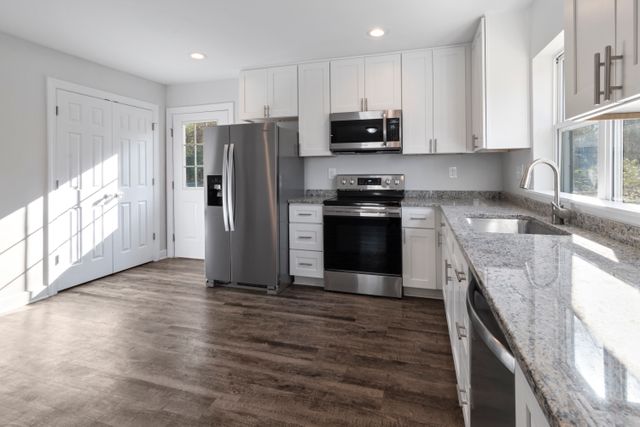
If your strongest comps are around $2,000 per month but your property has noticeable deferred maintenance, your realistic rent may need to be lower. If your home is in particularly strong condition, you may be able to price closer to the top of the comparable range.
Regular property inspections can help owners identify developing maintenance issues before they become expensive problems that affect a home’s rental appeal.
Consider Seasonality and Market Timing
Rental demand in Hampton Roads can shift throughout the year. Virginia Beach has a large military presence, and relocation activity can contribute to increased demand during parts of the spring and summer.
A property listed during a busy leasing period may attract more inquiries and lease faster than the same property listed during a slower part of the year. During lower-demand months, owners may need to be more flexible on pricing or prepare for a longer marketing period.
This is one reason lease timing matters. If you already own a rental, choosing renewal dates strategically can help reduce the likelihood of a future vacancy occurring during a slower period.
Market conditions also change from year to year. Instead of relying on an old rent figure, review fresh comparables each time the property becomes available.
TALK TO A PROPERTY MANAGEMENT EXPERT
Avoid Overpricing
One of the most common pricing mistakes is starting too high because of what the owner paid for the home, what they’ve invested in improvements, or what they hope to earn each month.
(image – a house for rent sign in front of a property)
The rental market doesn’t price a property based on the owner’s expenses. Prospective renters compare your home with other available options.
If similar properties are leasing around $1,900 and yours is listed at $2,100 without a clear reason for the premium, you may receive fewer inquiries and experience a longer vacancy.
The carrying cost of vacancy can quickly outweigh a modest difference in rent. For example, a $2,000 property that remains vacant for two months represents $4,000 in unrealized rental income.
If your property isn’t generating enough interest, consider whether offering a rental incentive could help attract applicants without permanently reducing your asking rent.
Avoid Underpricing
When becoming a landlord, the goal isn’t to charge the highest or lowest possible rent. Instead, it’s to establish a competitive rate based on comparable properties, condition, location, and current market demand.
Pricing too low can also hurt your returns. If comparable homes support $1,900 per month and you list at $1,700 simply to fill the property quickly, that $200 difference equals $2,400 over a 12-month lease.
A well-supported price can help generate appropriate interest without unnecessarily sacrificing income.
Use a Simple Pricing Worksheet
You can organize your estimate with a basic process. First, identify three to five of your strongest comparable rentals and calculate their average rent.

Next, compare your home with those properties in three areas:
- Systems and condition: Roof, HVAC, plumbing, electrical, and general maintenance
- Finishes: Paint, flooring, kitchen, bathrooms, and overall presentation
- Location: Neighborhood, accessibility, and proximity to employment centers and local conveniences
Mark each category as above average, average, or below average compared with your selected comps.
If your property is broadly similar to the comparison set, the average rent provides a reasonable starting point. If it’s clearly stronger or weaker in several areas, adjust accordingly.
Finally, account for timing. A price that works during a high-demand period may need to be reconsidered if the property remains available several weeks later. Limited inquiries and showings can indicate that the market isn’t supporting your asking rent.
When to Get a Professional Rental Analysis
After reviewing comps and evaluating your property, you should have a reasonable rental range. A professional rental analysis can help validate it before you list.
First, a property manager can identify rent-ready repairs that may affect marketability. Under Virginia’s landlord maintenance requirements, owners must keep rental properties in a fit and habitable condition. Beyond these obligations, owners sometimes focus on upgrades that are unlikely to significantly increase rent while overlooking maintenance issues that matter more to prospective renters.
A local property manager can compare your estimate with recent leasing activity and provide insight into current market conditions. Professional management also covers marketing, tenant screening, lease preparation, maintenance, and legal compliance.
Limehouse Property Management offers a free rental price analysis for Virginia Beach and Hampton Roads homeowners, providing an estimated rental range and recommendations for preparing your property for the market.
Bottom Line
Determining how much to charge for a Virginia Beach rental starts with local comparables. From there, consider your property’s condition, location, and current market demand to establish a competitive rental rate.
Avoid setting your price based solely on mortgage payments, renovation costs, or automated estimates. Instead, use recent market data to find a rate that attracts prospective renters while supporting your investment goals.
Working with a professional property management company can make this process easier. At Limehouse Property Management, we provide rental pricing guidance, identify necessary property improvements, and handle the day-to-day responsibilities of leasing and managing your rental, helping you maximize your investment’s potential.
Frequently Asked Questions
How Do I Know If My Rental Comps Are Actually Comparable?
Look for homes in the same or a nearby neighborhood with a similar property type, bedroom and bathroom count, square footage, age, and general condition. Recently leased properties are especially useful because they provide insight into what the market has accepted rather than only what owners are asking.
Active listings can still provide context, but their asking prices may change before a lease is signed.
What If I Can’t Find Enough Comps in My Neighborhood?
Expand your search gradually to nearby neighborhoods with similar housing stock, amenities, and access to employment centers. If your neighborhood is small or your property is unusual, you may only find a few strong comparisons.
In that case, use the best available comps and treat the result as a range rather than a precise figure. A local property manager may also have additional leasing data and firsthand market experience.
Should I Charge More Because I Manage the Property Myself?
Generally, no. Rent is driven primarily by the property, location, condition, amenities, and market demand rather than whether the owner self-manages. If you plan to manage the home yourself, focus on competitive pricing, prompt communication, organized showings, consistent screening criteria, and reliable maintenance procedures.
What Should I Do If the Market Changes After I Set the Rent?
Review your comps again. Rental conditions can shift seasonally or as new listings enter the market. If your property has been available for several weeks with limited inquiries or showings, compare it with the newest competing listings and recent leases. A price adjustment may be appropriate if the market no longer supports your original number.
How Much Should I Budget for Rent-Ready Repairs?
The amount depends on the property’s condition. Some homes may only need cleaning, paint touch-ups, minor repairs, or routine servicing, while others may require more substantial work before they’re ready to lease.
Focus first on safety, habitability, functionality, and deferred maintenance. A professional rental analysis can help separate necessary work from optional upgrades so you can prioritize spending before marketing the property.